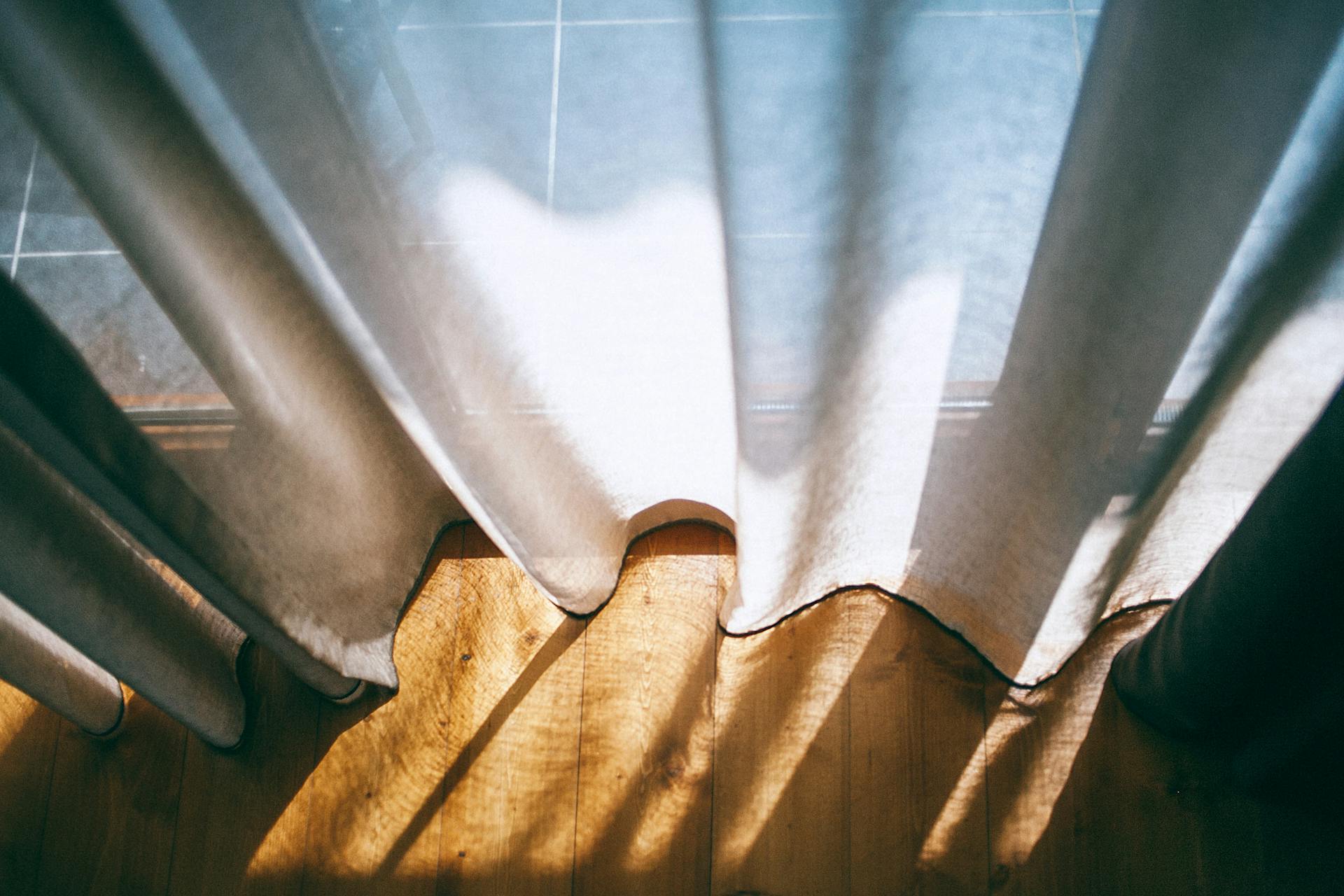

Most people know that getting morning sunlight can help you wake up, but afternoon sunlight? That’s the secret ingredient most of us are missing when it comes to better sleep at night.
Your body’s internal clock doesn’t just need light in the morning. It needs light throughout the day to stay properly calibrated. And one of the most overlooked pieces of good sleep hygiene is simply stepping outside in the afternoon.
Even if you wake up late, even if you only have a few minutes, getting that afternoon light exposure can make a real difference in how well you sleep when bedtime rolls around.
Why Afternoon Light Matters for Sleep
Your circadian rhythm, the internal clock that tells your body when to be awake and when to sleep, relies on light exposure throughout the entire day. Morning light helps set the clock, but afternoon light reinforces it.
Think of it like this: morning sunlight tells your body “it’s time to be awake,” and afternoon sunlight confirms “yes, we’re still in the daytime phase.” When evening comes and the light fades, your body gets a clear signal that it’s time to start winding down.
Without that afternoon light exposure, your internal clock can get a little fuzzy. Your body isn’t quite sure where it is in the day-night cycle, which can make it harder to feel sleepy at night or stay asleep once you finally drift off.
Afternoon sunlight also helps regulate cortisol, the stress hormone that naturally peaks in the morning and should taper off as the day goes on. When you get consistent light exposure during the day, cortisol follows its natural rhythm, which helps melatonin (your sleep hormone) rise more easily at night.
The Best Time for Afternoon Sunlight
The ideal window for afternoon light exposure is roughly between 2 PM and 4 PM, though really any time after noon and before sunset counts.
You don’t need to spend hours outside. Even just 10 to 15 minutes can help. And honestly, sometimes just stepping outside for a few minutes to get fresh air and feel the sunlight on your face is enough to give your body that important signal.
On days when you wake up late or your schedule feels off, don’t skip it. Even a quick step outside, even if it’s just standing there for a moment, still counts. Your body will appreciate the light exposure no matter what time you manage to get it.
What Counts as Afternoon Sunlight
Natural, outdoor light is what you’re aiming for. Even on cloudy days, the light outside is significantly brighter than indoor lighting, and your body can still pick up on those important signals.
You don’t need direct sunlight beating down on you. You don’t need to sit in the blazing heat or worry about getting a sunburn. Just being outside where your eyes can register natural light is enough.
If you wear glasses or contacts, that’s fine. If you need sunglasses because it’s particularly bright, that’s okay too, though ideally you’d spend at least a few minutes without them so your eyes can fully register the light.
Indoor light through windows doesn’t have quite the same effect. Glass filters out some of the beneficial wavelengths of light, and indoor spaces are generally much dimmer than being outside. If you truly can’t get outside, sitting near a bright window is better than nothing, but actual outdoor exposure is ideal when possible.
Easy Ways to Get Afternoon Light
The good news is that getting afternoon sunlight doesn’t require any special equipment or dedicated time blocked off in your calendar. You can weave it into things you’re already doing.
Take your afternoon break outside. If you work from home or have a lunch break, step outside for a few minutes. You don’t have to do anything specific. Just stand there, walk around your yard, sit on your porch. Let the light hit your face and enjoy the fresh air.
Move your walk to the afternoon. If you already go for daily walks, consider shifting at least some of them to the afternoon. You’ll get the benefit of movement and light exposure at the same time.
Do a simple task outdoors. Checking the mail, watering plants, taking out the trash. These everyday activities suddenly become sleep-supporting habits when you do them in the afternoon instead of after dark.
Pair it with something you enjoy. Bring your coffee or tea outside. Read a few pages of your book on the porch. Make a phone call while walking around the block. When you attach light exposure to something pleasant, you’re more likely to keep doing it.
Even on days when everything feels off, even when you wake up later than planned, you can still step outside for just a moment. Your body doesn’t judge the timing. It just appreciates the light.
What About Bright Indoor Days?
You might be wondering if working near a window or in a bright room counts. And while it’s better than sitting in a dim space all day, it’s not quite the same as being outdoors.
Indoor environments, even bright ones, are still significantly dimmer than natural outdoor light. And because your circadian system relies on detecting changes in light intensity throughout the day, being in a consistently bright (but still relatively dim compared to outdoors) indoor space doesn’t give your body the same clear signals.
That doesn’t mean you need to stress about it or overhaul your entire day. It just means that when you can, stepping outside for even a few minutes makes a difference.
The Connection Between Daytime Light and Nighttime Sleep
Here’s the thing most people don’t realize: your ability to sleep well at night is directly connected to how much natural light you get during the day.
If you spend all day indoors under artificial lighting and then wonder why you’re not tired at bedtime, the lack of daytime light exposure is often part of the problem. Your body never got the clear “this is daytime” signal, so it doesn’t know when to fully shift into “this is nighttime” mode.
Afternoon sunlight specifically helps with that transition. It reinforces that you’re still in the active phase of the day, which makes the eventual shift to darkness and rest feel more natural.
When you consistently get afternoon light, you’ll often notice that you start feeling sleepy earlier in the evening without forcing it. Your body’s internal clock gets clearer signals about when daytime ends and nighttime begins.
Making It a Consistent Practice
The key to seeing real benefits is consistency. One afternoon of sunlight won’t transform your sleep, but making it a regular part of your day will.
You don’t have to be rigid about it. Some days you’ll get 20 minutes outside, other days just a quick two-minute step onto the porch. Both matter. Both help.
The goal is consistency and simply giving your body regular access to natural light so your circadian rhythm can do what it’s designed to do.
If you’re someone who struggles with sleep, especially if you have trouble falling asleep at night or waking up feeling rested, adding afternoon sunlight to your routine might be one of the simplest and most effective changes you can make.
Step outside. Feel the sun. Breathe the fresh air. And let your body remember what time of day it is.