Affiliate Disclosure: This post contains affiliate links. If you choose to purchase through these links, I may earn a small commission at no extra cost to you. As an Amazon Associate I earn from qualifying purchases. Thank you for supporting the blog.
What Is Slow Living?
Slow living is the conscious decision to move through life at a gentler pace. It encourages a shift away from constant productivity and toward deeper presence. Rather than rushing through the day, slow living invites you to notice small moments, create space for what truly matters, and live with intention.
It’s not about doing nothing or abandoning ambition. It’s about honoring your energy, your time, and your need for rest. In a culture that celebrates speed and urgency, slow living offers a quieter, softer alternative.
Why Slow Living Speaks to Us
Many of us are feeling stretched thin. The pace of modern life often leaves little room to breathe, let alone pause. We fill every moment with tasks, notifications, and noise. And while we may be getting more done, we’re often left feeling disconnected from ourselves.
The appeal of slow living is rooted in a longing to feel grounded again. It reconnects us to the rhythms of nature, the cycle of the seasons, and the quiet truth that we don’t have to rush to live well.
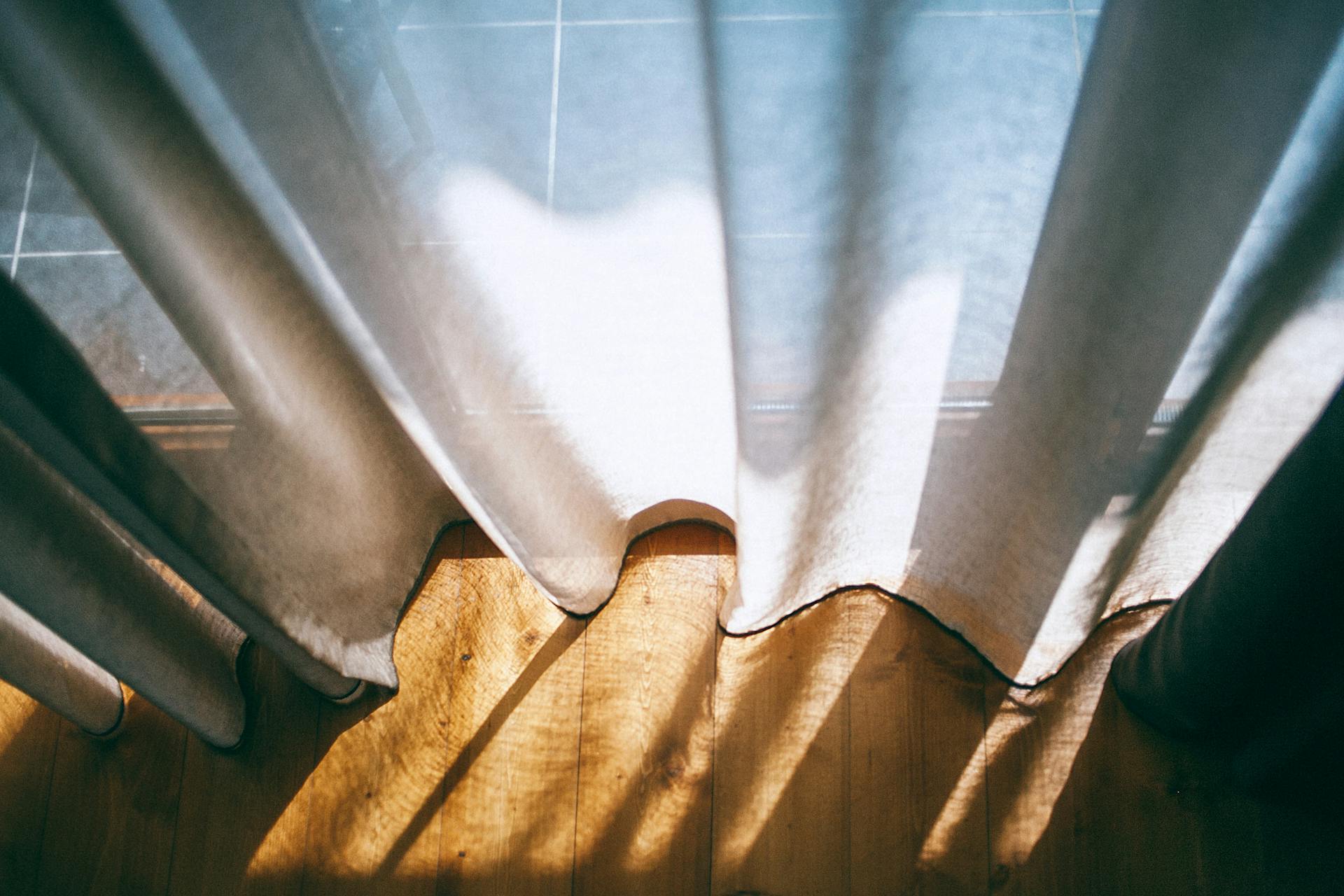
When we slow down, we begin to notice the texture of everyday life: the warmth of a cup in our hands, the way light changes through a window, the feeling of bare feet on the floor. These details bring us back into our bodies. They remind us that peace is not somewhere else; it’s already here, waiting to be noticed.
Simple Ways to Embrace Slow Living
You don’t need a lifestyle overhaul to begin. Small, intentional choices can shift your relationship with time and presence. Here are a few gentle ways to begin:
Create a slow morning routine. Start your day without rushing. Open a window. Make your bed slowly. Breathe deeply. Let your body wake up before reaching for your phone.
Notice transitions. Pay attention to the shift from day to evening, from work to rest. Light a candle, change your clothes, or turn on soft music to mark the change.
Protect white space. Leave open time in your day. Not every hour needs to be filled. Let quiet be part of your routine.
Move intentionally. Whether you’re walking, cooking, or cleaning, bring awareness to your movements. Treat each task as a meditation. Even just a few minutes of presence each day can help ground you in the moment.
Spend time offline. Choose a few hours each week to step away from screens. Let your nervous system settle.
Savor slowness. Let moments linger. Take your time with meals, conversations, and decisions. There’s no need to rush.
Letting Go of Pressure
Slow living is not a perfect lifestyle. It’s not aesthetic-driven or reserved for those with more free time. It’s a mindset, one that values presence over productivity and depth over speed.
There will be fast days. There will be mess. That’s okay. Slowness is something you can return to, again and again. It doesn’t have to look a certain way. You don’t need the right candles or a minimalist home. You only need the willingness to notice your pace and the courage to soften it.
Closing Thoughts
Living slowly is an act of trust. It says: I don’t need to do more to be enough. I don’t need to rush to matter.
As you move through the rest of your day or week, consider how you might make space for even one small pause. Let it be imperfect. Let it be enough.
Your life doesn’t have to be full to be meaningful. Sometimes, the most beautiful moments are the quiet ones we almost missed.