Light plays a bigger role in sleep than most people realize. It is not just about screens or blue light or staying up too late. Light tells your brain what time it is, what state your body should be in, and whether it is safe to rest or stay alert.
If your sleep feels inconsistent or hard to settle, light is often part of the picture. Not because you are doing something wrong, but because modern lighting asks your nervous system to stay awake far longer than it was designed to.
Understanding how light affects your sleep helps you work with your biology instead of fighting it.
Light Is One of Your Body’s Strongest Signals
Your brain uses light to set your internal clock, also called your circadian rhythm. This clock influences when you feel alert, when you feel sleepy, and even how hormones like cortisol and melatonin rise and fall throughout the day.
Morning light tells your body it is time to be awake. Evening darkness tells your body it is time to wind down.
The challenge is that artificial light blurs these signals. When your environment stays bright late into the evening, your brain does not get a clear message that the day is ending. Instead, it stays in a low level alert state.
This does not always show up as feeling wide awake. Sometimes it shows up as feeling tired but unable to settle, restless in your body, or mentally foggy while still wired.
How Evening Light Delays Sleep
As the day goes on, your body naturally prepares for sleep by lowering alertness and increasing melatonin. Melatonin helps signal that it is time for rest, but it only rises when light levels drop.
Bright overhead lights, screens, and even certain types of lamps can interrupt this process. Your brain reads that brightness as daytime, even if the clock says it is late.
This is one reason you might feel sleepy earlier in the evening, push through it, and then feel more awake later. The light exposure gives your nervous system mixed signals, and your body responds by staying alert longer than it wants to.
If this pattern feels familiar, it often overlaps with stress patterns in the body. When light keeps your system alert at night, it can compound the effects of a stressful day and make it harder for your sleep cycle to reset. This is something we explored more deeply in the post on how stress affects your sleep cycle.
Blue Light Is Only Part of the Story
Blue light gets most of the attention, and it does matter. Blue wavelengths are especially good at suppressing melatonin and increasing alertness. Phones, tablets, laptops, and televisions all emit a lot of it.
But focusing only on blue light can miss the bigger picture.
Brightness matters just as much. A brightly lit room at night can be just as stimulating as a screen, even if the light source is warm. Overhead lights, kitchen lighting, and bathroom lights can all tell your brain it is time to stay awake.
The goal is not to eliminate light completely, but to reduce intensity and signal that the day is slowing down.
Morning Light Helps You Sleep at Night
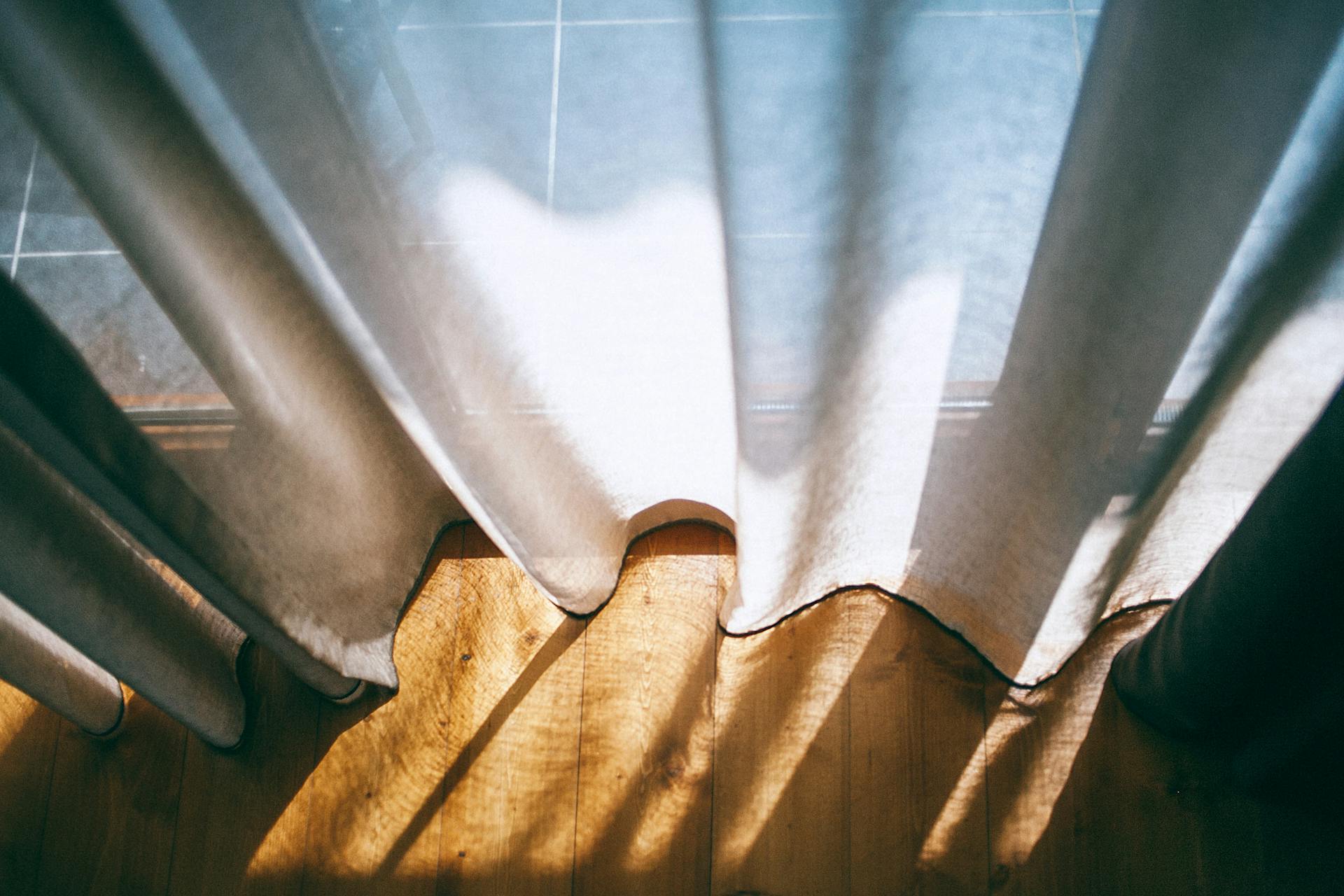
Light exposure in the morning plays a quiet but powerful role in sleep quality. Getting natural light early in the day helps anchor your circadian rhythm, making it easier to feel sleepy later on.
Even ten to twenty minutes of daylight can make a difference. Sitting near a window, stepping outside, or walking around the block all count. This morning light helps your brain understand when the day starts, which in turn helps it understand when the day ends.
If you struggle with falling asleep or waking up feeling groggy, supporting your morning light exposure is often more effective than focusing only on nighttime habits.
Why Sensitive Nervous Systems React More Strongly to Light
If you tend to feel overstimulated easily, light can affect you more than you expect. Sensitive nervous systems pick up on subtle environmental cues, including brightness, contrast, and visual movement.
For some people, bright or flickering light creates a sense of internal tension rather than alertness. You might notice headaches, eye strain, irritability, or a feeling of being unable to settle in your body.
This is not a personal flaw. It is a nervous system responding exactly as it is designed to respond. Creating a softer lighting environment in the evening can help your body feel safer and more ready for rest.
Creating a Sleep Supportive Lighting Environment
You do not need a perfect setup or expensive equipment. Small changes often have the biggest impact.
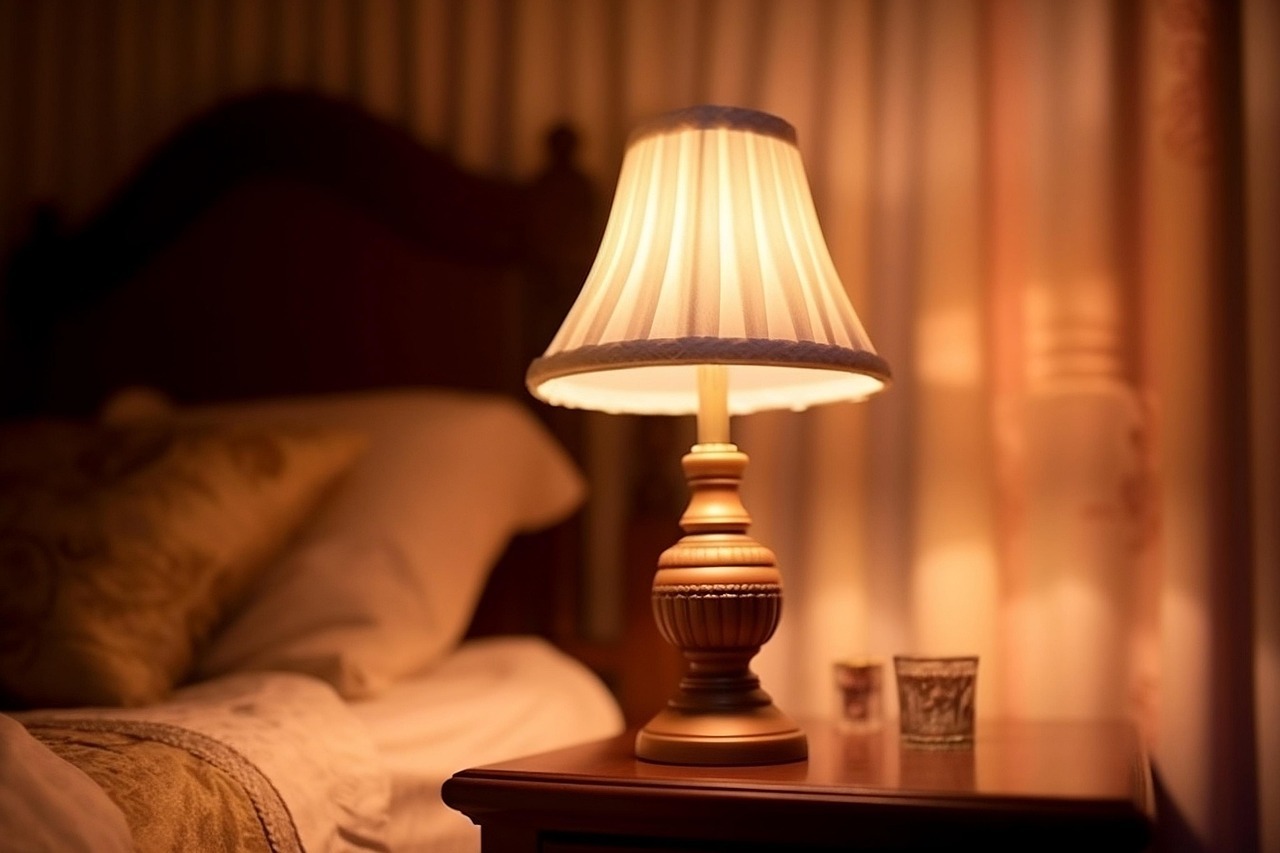
Lowering lights after sunset helps signal to your brain that nighttime is approaching. Lamps placed at eye level or below tend to feel less activating than overhead lighting. Warm bulbs are generally easier on the nervous system than cool white ones.
If you use screens in the evening, reducing brightness and using night mode can help. More importantly, notice how your body feels while using them. If scrolling makes you feel tense or wired, that is useful information.
Bathrooms and kitchens are often overlooked. Bright lights during nighttime wake ups can fully re alert your system. Using a dim night light or softer bulb in these spaces can make it easier to fall back asleep.
Light and Nighttime Wake Ups
If you wake during the night, light exposure can determine how easily you return to sleep. Turning on bright lights, checking your phone, or walking into a brightly lit room can signal your brain to wake up for the day.
Keeping nighttime light low and indirect helps your nervous system stay in a rest oriented state. This does not mean stumbling in the dark. It means choosing lighting that supports your body instead of shocking it awake.
Letting Your Body Lead
Your body is constantly responding to light, even when you are not consciously aware of it. Paying attention to how different lighting environments make you feel gives you more useful information than following rigid rules.
If dimmer evenings help you feel calmer, that matters. If morning light helps you feel more grounded during the day, that matters too.
Supporting sleep does not always require doing more. Sometimes it is about removing subtle obstacles so your body can do what it already knows how to do.
Light is one of those quiet influences. When you work with it instead of against it, sleep often becomes less of a struggle and more of a natural response.