
Sleep and food are more connected than most people realize. What you eat during the day and in the evening can either support rest or quietly interfere with it.
This does not mean sleep depends on eating the perfect foods or following rigid rules. It means your body uses nutrients as signals. When those signals support safety, stability, and balance, sleep often comes more easily.
If sleep feels unpredictable, food can be a gentle place to look.
Why Food Affects Sleep at All
Your body relies on steady energy to feel safe enough to rest. When blood sugar swings too high or too low, your nervous system stays alert. That alertness can show up as difficulty falling asleep, waking in the night, or feeling wired despite exhaustion.
Certain nutrients also support the production of sleep-related hormones like melatonin and serotonin. Without them, your body has a harder time shifting into rest mode.
Food is not a cure for sleep issues, but it plays a supporting role that often gets overlooked.
Complex Carbohydrates Support Calm
Carbohydrates often get a bad reputation, yet they can support sleep when chosen thoughtfully.
Complex carbohydrates like oats, brown rice, quinoa, sweet potatoes, and whole grains help stabilize blood sugar. They also support serotonin production, which plays a role in relaxation and sleep readiness.
Eating carbohydrates earlier in the day or paired with protein in the evening can help prevent nighttime blood sugar dips that trigger wake-ups.
If you tend to wake between 2 and 4 a.m., this can be a clue that your body needs more steady fuel.
Protein Helps Maintain Stability Overnight
Protein helps keep blood sugar balanced through the night. Without enough, your body may release stress hormones to compensate, which can interrupt sleep.
Foods like eggs, yogurt, cottage cheese, nuts, seeds, tofu, or lentils provide amino acids that support neurotransmitter balance.
Even a small amount of protein in an evening snack can make a difference, especially if you are sensitive to blood sugar shifts.
This becomes even more important during stressful periods, when your body burns through resources faster. If stress has been affecting your sleep cycle, food stability can offer quiet support.
Magnesium-Rich Foods Support Relaxation
Magnesium plays a role in muscle relaxation and nervous system regulation. Low magnesium levels are associated with tension, restlessness, and difficulty settling at night.
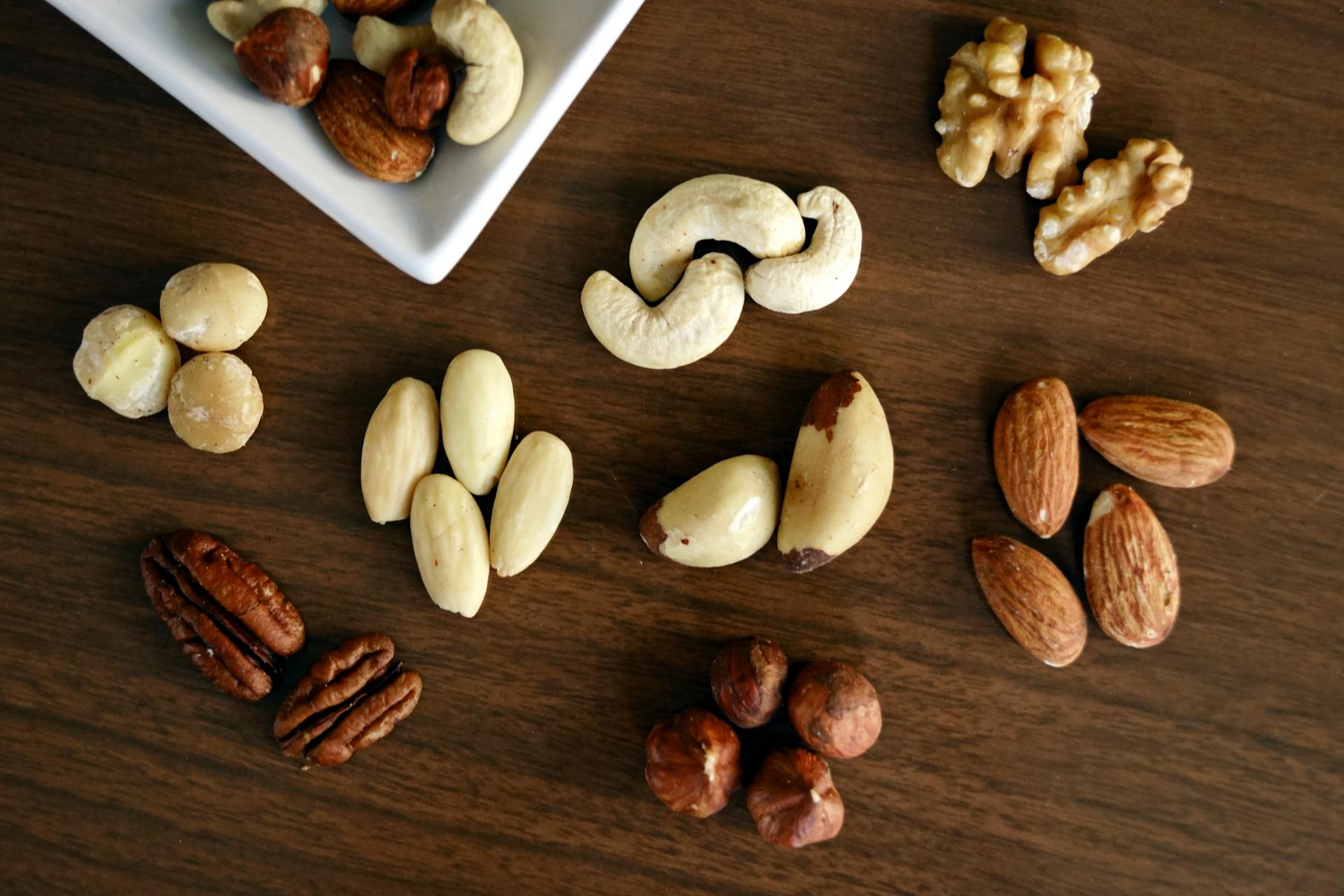
Foods rich in magnesium include leafy greens, pumpkin seeds, almonds, cashews, black beans, and dark chocolate.
These foods support relaxation without forcing sedation. They work in the background, helping your body feel more at ease.
Food sources tend to be gentler than supplements and less likely to disrupt digestion.
Tryptophan Supports Sleep Hormones
Tryptophan is an amino acid that helps your body produce serotonin and melatonin. You do not need large amounts for it to help.
Foods that contain tryptophan include turkey, chicken, eggs, dairy, nuts, seeds, and legumes.
Pairing tryptophan-rich foods with carbohydrates helps your body use it more effectively. This combination supports the natural transition into sleep.
Foods That Can Disrupt Sleep
Just as some foods support rest, others can quietly interfere.
Highly sugary foods can spike blood sugar and lead to crashes later in the night. Ultra-processed snacks often create more stimulation than satisfaction.
Caffeine is an obvious one, but it hides in more places than coffee. Chocolate, some teas, and even certain supplements can affect sleep timing.
Alcohol may feel relaxing at first, but it fragments sleep later in the night and increases nervous system activation. The idea that alcohol helps you sleep is a common myth. If you want to explore more beliefs like this that quietly sabotage rest, you can read Sleep Myths We Need to Stop Believing.
This does not mean these foods are forbidden. It means timing and quantity matter more than perfection.
Gentle Evening Food Choices
An evening snack can support sleep when chosen with care. The goal is steadiness, not fullness.
A small combination of protein and carbohydrates often works well. Think yogurt with fruit, toast with nut butter, or oatmeal with seeds.
Warm foods can also support relaxation by signaling comfort and safety to the nervous system.
Listening to how your body responds is more useful than following strict guidelines.
Food as Part of the Bigger Picture
Food supports sleep best when combined with other regulation practices. Light exposure, stress levels, and evening routines all matter.
If your nervous system stays activated at night, food alone will not fix sleep. It can help reduce one layer of stress so other supports work better.
When you think about foods that help you sleep better, think in terms of nourishment rather than rules.
Supporting your body consistently, especially during the day, often makes nights feel easier without force or frustration.