
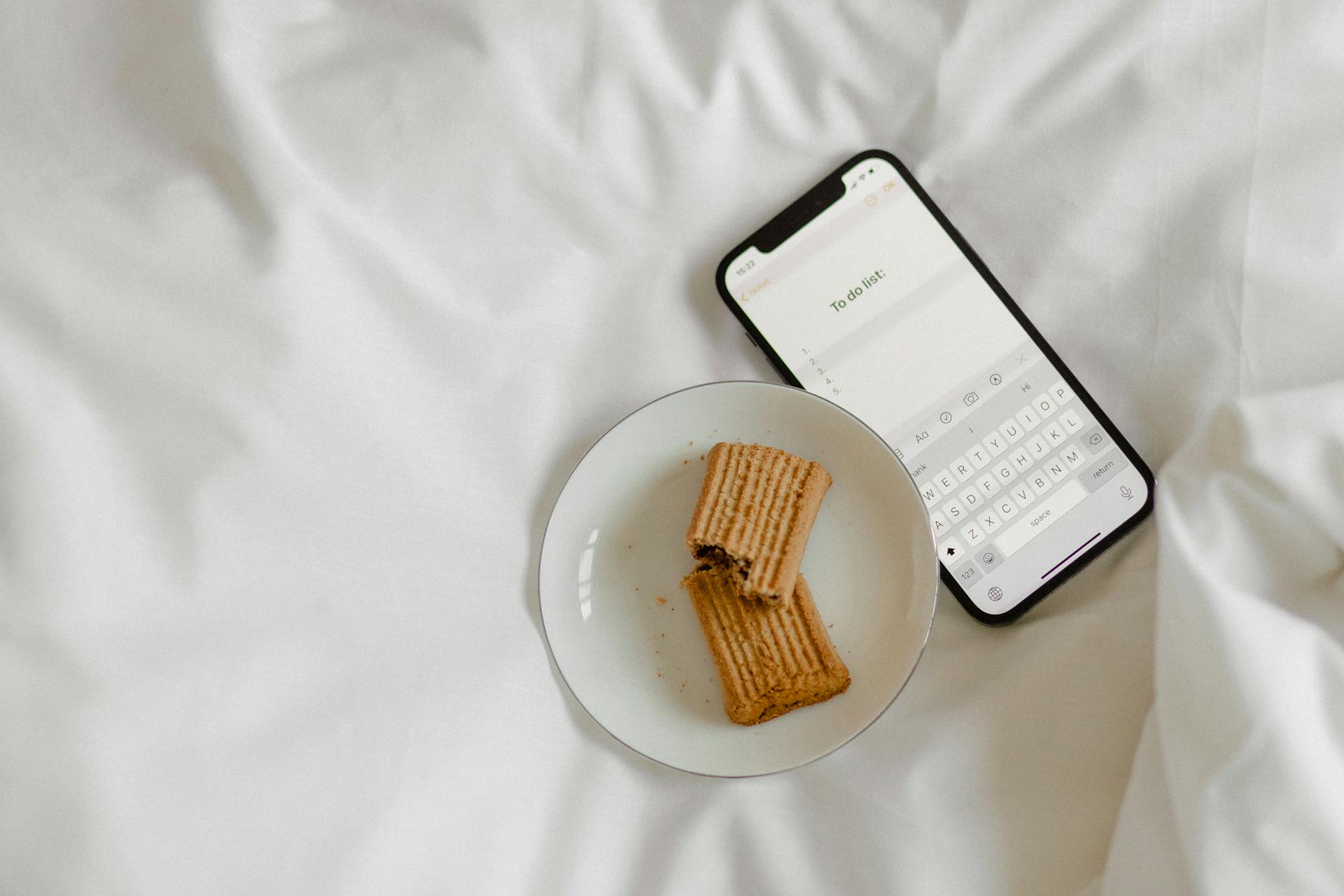
You tell yourself you’ll just check your phone for a minute. Then suddenly it’s much later than you planned, your eyes feel tired, and your mind feels oddly wired. You know scrolling before bed doesn’t help your sleep, yet it keeps happening anyway.
This isn’t about discipline or bad habits. There are real nervous system reasons why scrolling feels addictive at night, especially after a long or stressful day.
At night, your body and brain are trying to downshift. When they don’t feel safe enough to rest, scrolling becomes a coping strategy, even if it ends up backfiring.
Your Nervous System Is Looking for Relief
By the end of the day, most people are carrying unprocessed stress. Even if nothing dramatic happened, your nervous system has been responding to emails, conversations, noise, decisions, and pressure all day long.
When you finally stop moving, all of that activation does not disappear. Your nervous system is still alert, and it wants relief fast.
Scrolling offers quick stimulation without requiring much effort. It distracts you from internal sensations like tension, anxiety, or emotional overload. For a moment, your attention moves outward instead of inward, which can feel like relief.
This is why scrolling often increases when life feels heavier. Your body is trying to regulate itself the only way it knows how in that moment.
Dopamine Plays a Bigger Role at Night
Scrolling feels addictive at night partly because of dopamine. Dopamine is involved in motivation, novelty, and reward. Social media, videos, and endless feeds are designed to deliver small hits of it over and over.
At night, your brain is more vulnerable to this loop. Fatigue lowers your ability to self-regulate, and stress increases your desire for something soothing or engaging.
Each swipe promises something new. A different image, idea or feeling. Your brain keeps searching, even when your body is tired.
This does not mean scrolling actually relaxes you. It means your brain is chasing relief while your nervous system stays activated.
Stress and Cortisol Keep You Reaching for Your Phone
When stress hormones like cortisol remain elevated in the evening, your body struggles to transition into rest mode. This is especially common after emotionally demanding days or during long periods of ongoing stress.
High cortisol makes stillness uncomfortable. Sitting quietly can bring up racing thoughts, restlessness, or a sense of unease. Scrolling fills that space and gives your mind something to do.
This connects closely with how stress disrupts the sleep cycle. When your body stays in alert mode, it resists sleep even when you feel exhausted. Scrolling becomes a way to cope with that mismatch between tiredness and alertness.
If you have already explored how stress affects your sleep cycle, this pattern will likely feel familiar. Scrolling is often a symptom, not the root issue.
Nighttime Lowers Your Mental Defenses
During the day, structure and momentum help regulate your behavior. At night, those supports fade. Decision fatigue sets in, and your brain wants the easiest option available.
Your phone is close. It offers comfort, distraction, and connection. Asking yourself to suddenly stop scrolling without replacing it with something regulating can feel almost impossible.
This is why strict rules often fail. The urge to scroll is not random. It shows up when your system is depleted and looking for support.
Why Scrolling Makes Sleep Harder
Even though scrolling feels soothing at first, it often keeps your nervous system stimulated. Bright light, fast-moving content, emotional reactions, and constant novelty all signal alertness to the brain.
Over time, this delays melatonin release and keeps your mind active longer. You might notice more racing thoughts, lighter sleep, or waking up feeling unrefreshed.
Many people experience this pattern alongside difficulty staying asleep or waking during the night. The nervous system never fully settles, even after the phone goes away.
A Nervous System Friendly Way to Break the Loop
The goal is not to force yourself to stop scrolling. The goal is to understand what scrolling is doing for you and offer a gentler alternative.
Start by noticing when the urge appears. Is it after a stressful interaction? After a long day of caregiving or work? When you finally sit down?
Instead of immediately taking your phone away, try adding one regulating step first. This could be dimming the lights, putting your feet on the floor, or taking a few slow breaths before bed.
Giving your nervous system a sense of safety makes scrolling less necessary.
You can also create a softer transition. Listening to calming audio, gentle music, or a familiar podcast can meet the need for stimulation without the endless novelty loop.
Replacing Stimulation With Regulation
Your nervous system often needs predictability at night. Familiar routines, repeated cues, and low-demand activities help signal that it is safe to rest.
This might look like reading the same type of book each night, stretching gently, or sitting quietly with a warm drink. These actions do not spike dopamine the way scrolling does, but they support deeper settling over time.
If you already practice grounding or nervous system regulation before bed, think of scrolling as a sign that your system needs more of that support, not less.
When Scrolling Is a Signal, Not a Failure
If scrolling feels addictive at night, it does not mean you are doing something wrong. It means your nervous system is asking for care, relief, and regulation.
Instead of judging the habit, get curious about what your body is asking for in that moment. Rest. Comfort. Safety. Distraction from overwhelm.
When you meet those needs more intentionally, the grip of nighttime scrolling often loosens on its own.
You do not need to win a battle against your phone. You need to help your nervous system feel safe enough to let go.