Affiliate Disclosure: This post contains affiliate links. If you choose to purchase through these links, I may earn a small commission at no extra cost to you. As an Amazon Associate I earn from qualifying purchases. Thank you for supporting the blog.
When life feels heavy or uncertain, our emotions can easily become overwhelming. In those moments, even small efforts to ground ourselves can make a meaningful difference. One gentle, accessible practice that supports emotional wellness is gratitude.
Gratitude isn’t about pretending everything is perfect. It’s about noticing what’s good even when things are messy. It invites us to pause and appreciate what’s present, helping us soften the emotional edges of daily life.
Let’s explore how a simple gratitude practice, especially through journaling, can nourish your emotional wellbeing in quiet and lasting ways.
What Is Gratitude?
Gratitude is the act of acknowledging and appreciating the good in your life, whether it’s something as big as a supportive friend or as small as the light through your window in the morning. It shifts your attention away from lack and toward what is already here, already working.
This practice doesn’t require you to ignore hardship. In fact, it can help you move through difficulty with more resilience and emotional balance. When practiced regularly, gratitude helps calm the nervous system and create a sense of inner steadiness.
How Gratitude Supports Emotional Wellness
Gratitude isn’t just a feel-good idea, it’s a tool backed by research and rooted in emotional care. Here are a few ways it gently supports your emotional wellbeing:
Helps Regulate Emotions
Gratitude can ease emotional overwhelm by encouraging reflection and helping you stay grounded in the present moment.
Improves Mood
By consistently noticing what’s going well (even in small ways), you train your brain to seek out positivity and moments of ease.
Builds Inner Safety
A gratitude practice can foster a sense of safety and stability, especially helpful if your nervous system often feels dysregulated or on edge.
Reduces Overthinking
Focusing on what you’re thankful for helps disrupt anxious thought loops and shift your attention to what’s nourishing or meaningful.
Encourages Self-Compassion
Gratitude isn’t just for what’s outside of you. It can also include noticing growth, honoring your efforts, or appreciating your own strength.
Starting a Gentle Gratitude Practice
There’s no one right way to practice gratitude. What matters most is choosing a rhythm that feels realistic and supportive for you.
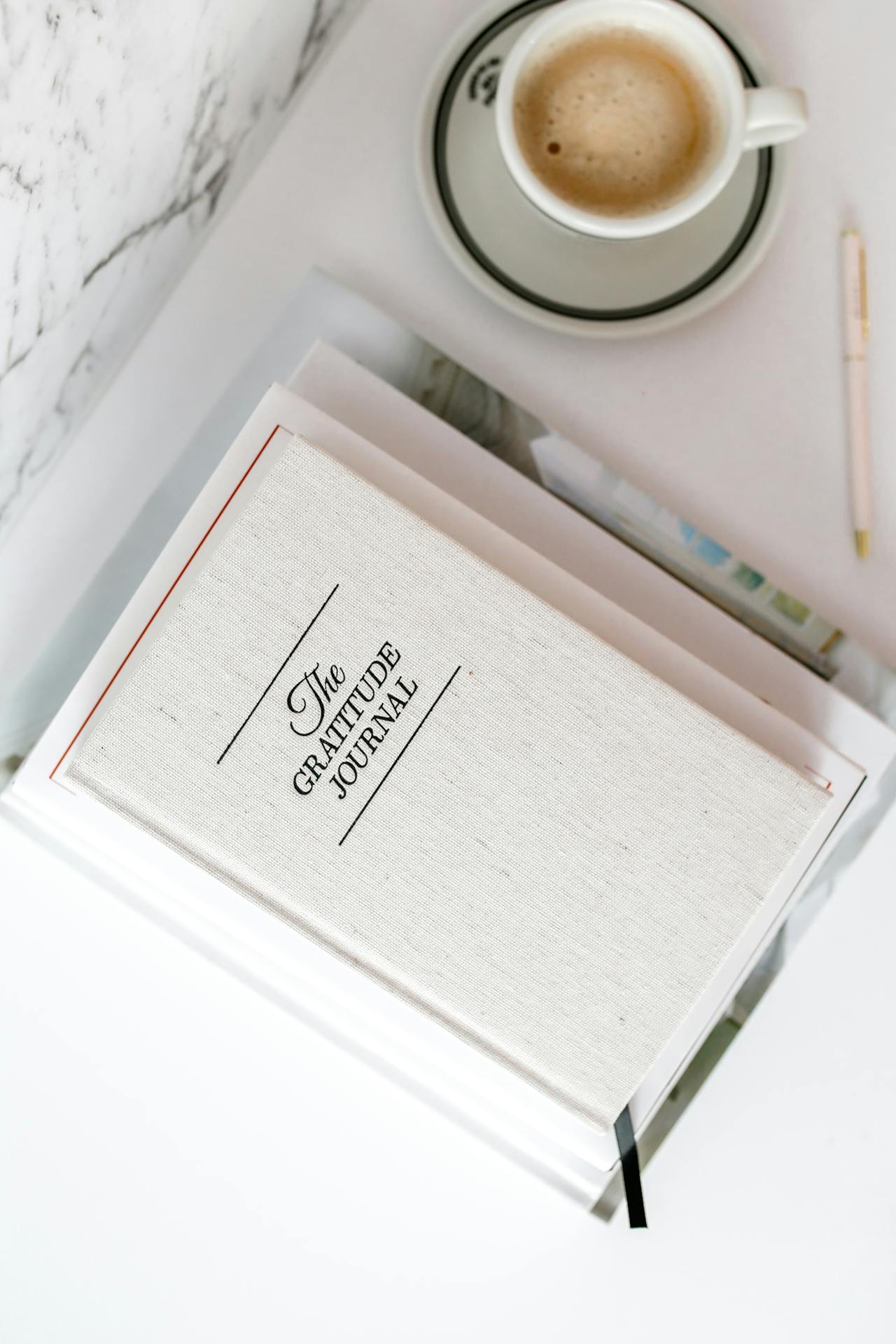
One of the simplest and most effective ways to begin is through gratitude journaling.
Try setting aside a few moments each day (maybe in the morning or in the evening) to write down one to three things you’re grateful for. These don’t need to be big or profound. In fact, small, specific moments often feel the most grounding:
- A warm drink
- A smile from a stranger
- A cozy blanket
- A moment of quiet
- Your body carrying you through the day
The act of putting these thoughts on paper helps you slow down, reflect, and hold space for the positive parts of your day, no matter how small.
If writing every day feels like too much, you might journal a few times a week or simply pause throughout your day to mentally name something you’re grateful for. The key is to keep it soft, steady, and free of pressure.
Gentle Gratitude Journaling Prompts
If you’re unsure where to begin, here are a few gentle prompts to guide you:
- “A small moment today that brought me peace was…”
- “Right now, I’m thankful for…”
- “Something my body allowed me to do this week is…”
- “One thing that made me feel supported recently is…”
- “I’m grateful for how I’ve grown in the area of…”
You can return to these whenever you need a quiet reset or want to reconnect with your emotional center.
Closing Thoughts
Gratitude doesn’t erase pain or solve every problem, but it can offer a soft landing place when your emotions feel tender or tired. It reminds you of what’s working, what’s present, and what’s beautiful, even in the smallest ways.
Adding gratitude to your emotional wellness toolkit is a gentle way to care for your inner world. Start where you are. Go slow and trust that even a few quiet moments of appreciation can ripple into something deeper.