When life moves fast, your nervous system often bears the brunt of the overwhelm. But the good news is that slowing down gently and intentionally can be one of the most healing things you do for your body and mind. One beautiful way to do this is by weaving in calming, non-overstimulating hobbies into your daily routine.
These activities don’t just “pass the time”, they offer deep nervous system nourishment. They invite your body into a slower pace, ground your attention, and soothe your senses.
Affiliate Disclosure: This post contains affiliate links. If you choose to purchase through these links, I may earn a small commission at no extra cost to you. As an Amazon Associate I earn from qualifying purchases. Thank you for supporting the blog.
Here are a few hobbies that can become gentle anchors for your nervous system:
1. Puzzles: Mindful Focus in Motion
Whether you enjoy jigsaw puzzles, logic puzzles, or Sudoku, these quiet activities require just enough mental focus to keep your mind engaged without overwhelming it. Puzzles encourage presence and patience, activating your parasympathetic nervous system (the “rest and digest” side of things) and bringing a calm, steady rhythm to your thoughts.
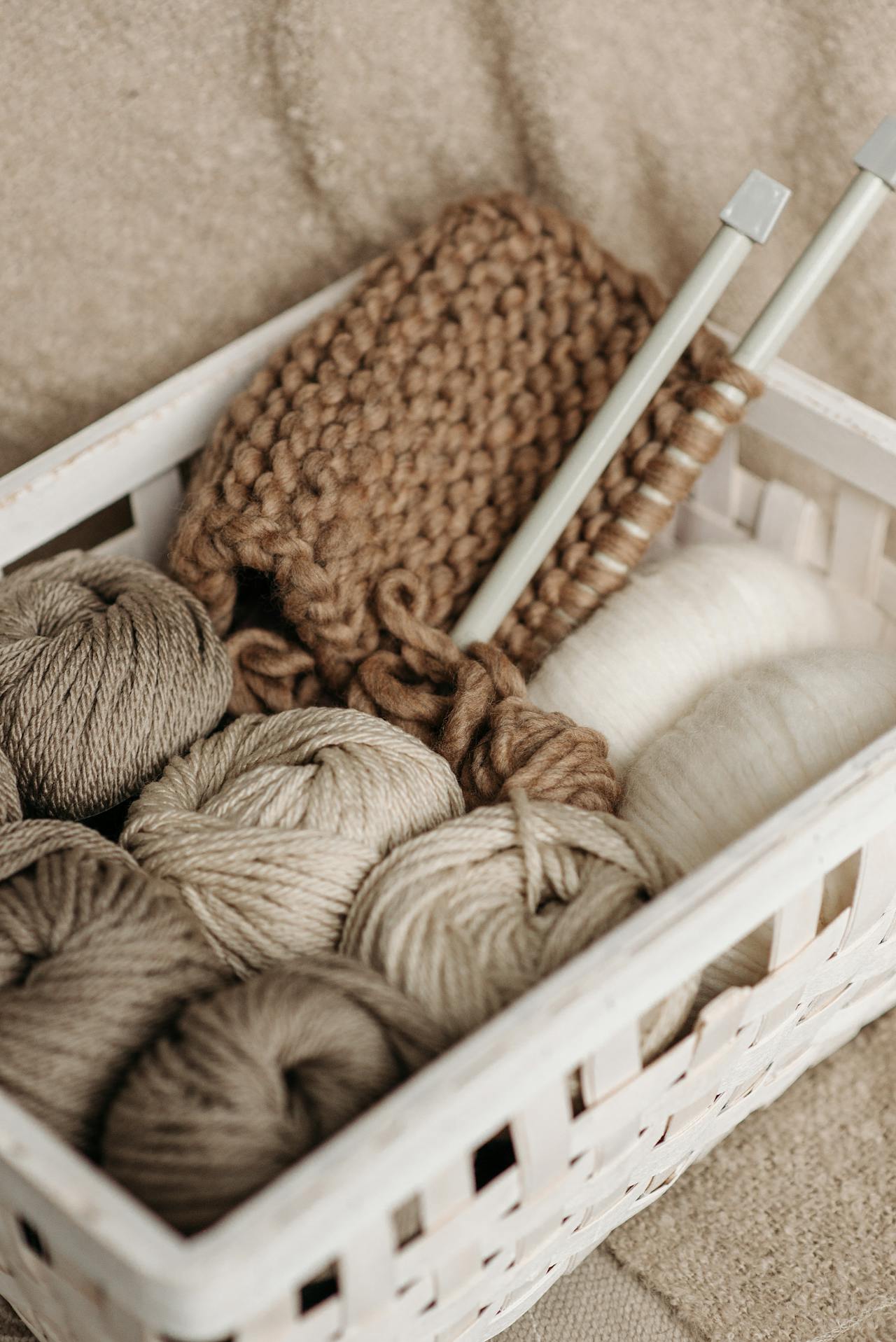
2. Crochet & Knitting: Rhythmic Repetition
There’s a reason needlework has been around for generations. The repetitive hand motions in crochet and knitting create a meditative state that helps regulate your breathing and heart rate. Plus, the tactile nature of yarn can be soothing in itself. Working with your hands in this way is both grounding and empowering—especially when you watch something grow stitch by stitch.
3. Reading: Gentle Mental Escape
Reading can give your nervous system a soft place to land, especially when you choose books that feel nourishing rather than intense. Look for cozy fiction, nature writing, poetry, or slow memoirs. Reading allows your mind to wander within safe, imaginative spaces free of screens, ads, and alerts.
4. Watercolor, Sketching & Coloring: Creative Stillness
You don’t need to be “artistic” to benefit from slow art. Whether it’s a small sketchbook, a simple watercolor pad, or even an adult coloring book, creative stillness can be deeply grounding. Just a few quiet minutes of drawing, painting, or coloring can offer a visual form of mindfulness. Let your hands move without pressure to perform or create something “perfect.” It’s the process that provides comfort and regulation, not the final result.
5. Gardening & Houseplant Care: Nature Connection
Even tending to a few houseplants can re-center you. The act of watering, pruning, or repotting brings you into the present moment, connecting you to life cycles, textures, and natural rhythms. This kind of gentle caretaking has been shown to reduce cortisol (stress hormone) levels and restore feelings of calm and emotional balance, according to a study published in the Journal of Health Psychology.
Honorable Mentions
- Birdwatching or cloud-watching
- Coloring (mandalas or freeform)
- Journaling or gratitude lists
- Baking or preparing tea slowly
- Listening to calming soundscapes or nature podcasts
- Walking without a destination, especially in quiet places
The Nervous System Needs Stillness
Your nervous system isn’t wired for constant input. It thrives when you slow down, simplify, and let yourself breathe.
These hobbies aren’t about productivity or performance, they’re about being present with yourself in a quiet, nourishing way. Try adding just one to your week. Let it become a small practice. Over time, it can become a powerful part of your nervous system care routine.